We Remember
April 7 | Anniversary of the Genocide Against the Tutsi in Rwanda |
|---|---|
April 13-14 | Yom HaShoah (Holocaust Remembrance Day) |
APRIL 17 | Anniversary of the Fall of Phnom Penh and Memorial for Cambodian Genocide |
April 24 | Armenian Genocide Remembrance Day |
The world was changed by the lifework of Raphael Lemkin, a Polish Jewish lawyer driven by an innate sense that the world must protect its people – a belief he championed even before he suffered through the displacement and loss of the Holocaust.
As a university student in Białystok in the 1920s, Lemkin, deeply aware of persistent and violent antisemitism in Europe, was horrified to learn of the Ottoman government's murder and displacement of more than 1 million Armenians during the First World War.
Inspired by the belief that the law could be used to punish and even prevent such oppression, Lemkin eventually became a respected international jurist. In the 1930s, he worked to convince international bodies such as the League of Nations to establish legal safeguards to protect ethnic and religious groups from mass violence.
After the Nazis invaded Poland in 1939, Lemkin fled to Sweden and then to the United States, where he became a law professor at Duke University. He also worked as an advisor to the US War Department, advocating to raise awareness about Nazi atrocities. He introduced the term “genocide” in his 1944 book, Axis Rule in Occupied Europe, and convinced prosecutors at Nuremberg, where he served as a legal advisor to the US Chief Prosecutor, to include the term in their indictments against lead Nazi officials.
While in Germany, Lemkin learned that 49 family members, including his parents, had been killed in the Holocaust.
Lemkin continued his campaign at the newly formed United Nations, which agreed to define genocide as an international crime, leading to the 1948 adoption of the Genocide Convention, an instrument of international law that has since been ratified by 153 countries.
Genocide – the deliberate destruction of a people – is an act of nearly unfathomable inhumanity and incomprehensible scope. Lemkin understood that any attempt to punish and prevent such a crime required the specificity of a definition and the scaffolding of an international legal system.
This Genocide Awareness Month, we remember Lemkin, and we invite you to join us in preserving history, building our understanding of the past, and committing to a better future.
Upcoming Events
Educational Resources
Classroom activities for Genocide Awareness Month
Our award-winning online educational platform IWitness offers several activities that draw from survivor testmonies across the different collections in the Visual History Archive.

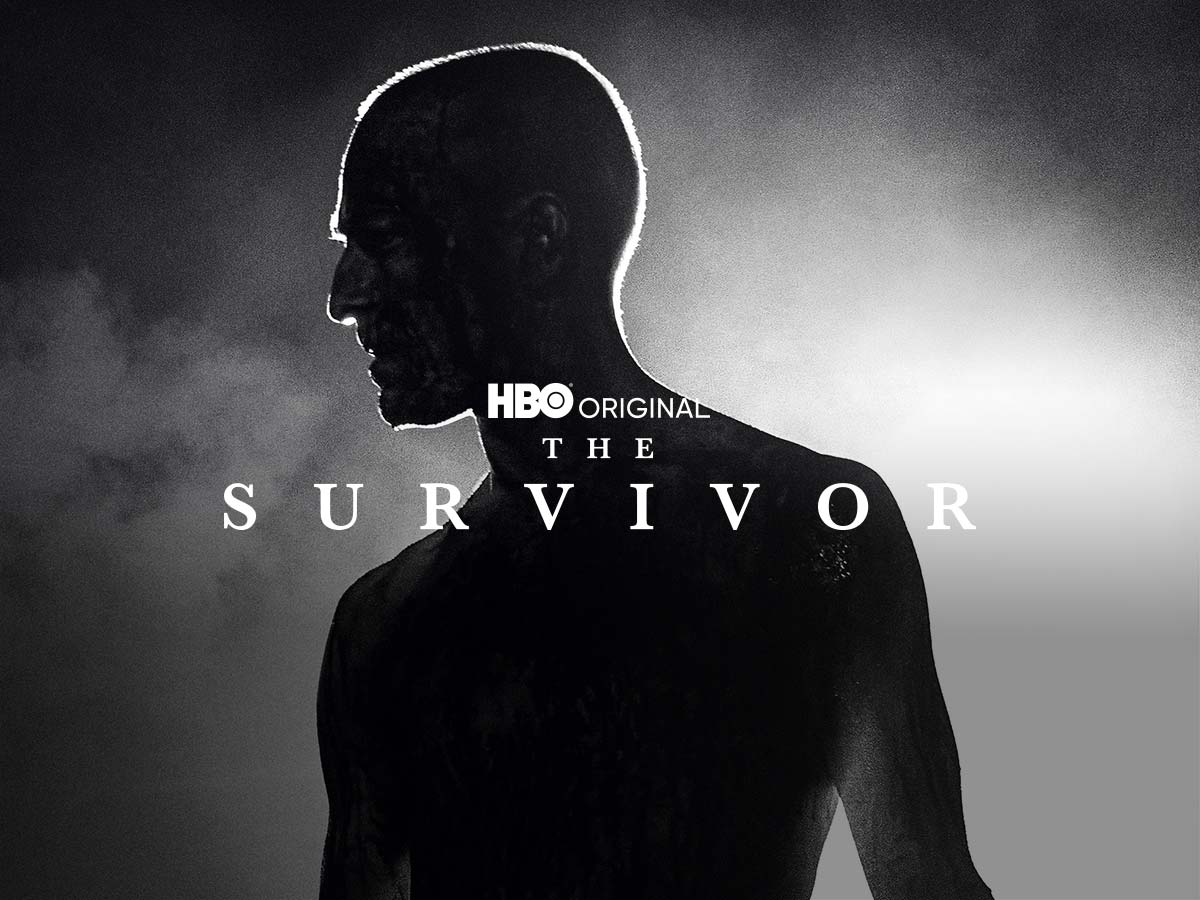
Films You Can Stream for Genocide Awareness Month
In addition to collecting and preserving video testimonies, USC Shoah Foundation produces documentaries and feature films about the Holocaust and genocide. The Institute’s films have aired in 50 countries and are subtitled in 28 languages.
Featured Articles